
This isn't about booking briefings. It's about getting into the top right — and staying there.
They book the meetings. They send the decks. They coordinate the stakeholders. And then they wait — hoping the analyst writes something positive. That's not analyst relations. That's admin.
Real AR is a strategic discipline. It's about understanding what story the analyst is trying to tell, figuring out how your company fits into that narrative, and building a relationship deep enough to shape the category definition itself. It's about influence, not logistics.
Most AR people can't do this. They coordinate, orchestrate and schedule — but they can't sit down with an analyst and have a meaningful conversation about the technology, the market, and where both are heading. Amy can. Having spent 20+ years across development, solutions engineering, product management and product marketing, she talks to analysts the way they want to be talked to — with substance, not slides.
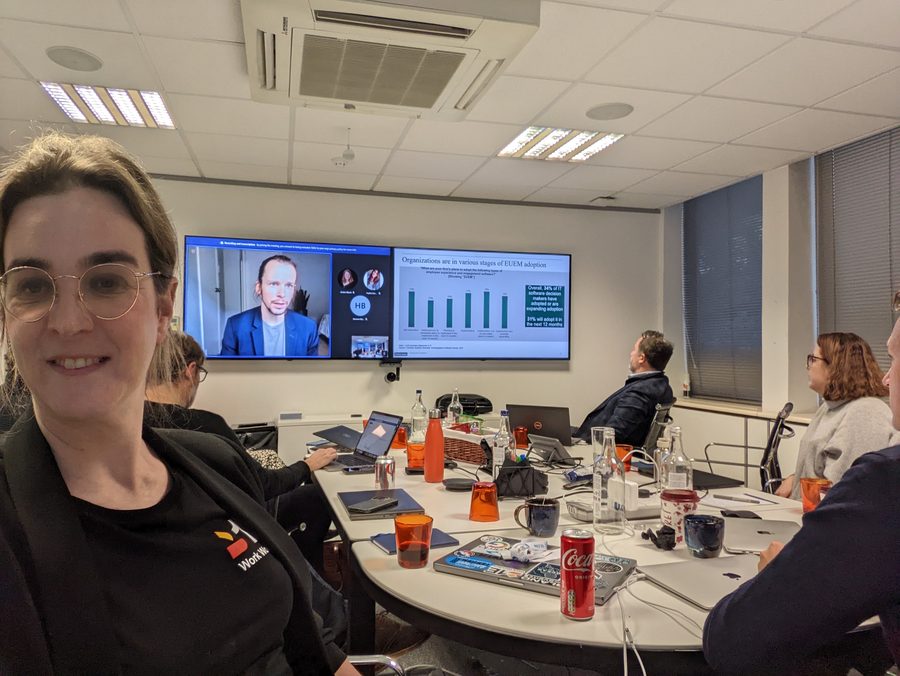
Every organisation is different, and Amy treats each engagement like a unique challenge to unpack and solve. But the consistent thread is this: she comes in, figures out the problem, identifies the right analysts to be talking to, and then does the work to build deep relationships and tell a compelling story — one that shifts how the analyst sees your company and your category.
Not superficial check-ins — genuine, ongoing relationships where you become a trusted voice in the analyst's thinking. The kind of relationships where they call you for insight, not the other way around.
Working with analysts to influence how the category is defined and evolving. Getting your point of view and your thesis woven into the overall category narrative — not just reacting to theirs.
Knowing how to coordinate senior leaders inside the business so the right people show up at the right time, saying the right things. This is harder than it sounds — and it makes or breaks evaluations.
When a Wave, Magic Quadrant or MarketScape is on the line, the preparation has to be forensic. Amy knows how to present the strongest possible case within the frameworks analysts use to judge the market.
Most analyst relations people are meeting bookers. They schedule the calls, they prep the slides, they chase the follow-ups. But they can't actually sit down with an analyst and have a useful, meaningful conversation about the technology, the market dynamics, or the competitive landscape — because they've never lived it.
Amy has. She's been the developer who built the product. She's been the solutions engineer who sold it. She's been the product manager who shaped the roadmap, and the product marketer who took it to market. That means she can have the conversations that matter — not just facilitate them — and she can find what's genuinely differentiating about a company, not just what sounds good in a briefing deck.
The result? Consistent, repeatable success across different companies, different market segments, and different analyst firms. Not luck. Strategy.
Analyst relations is ultimately judged on outcomes. Here's what strategic AR delivers.
Through deep, sustained analyst engagement, Amy moved 1E from the middle of the pack to the Leaders quadrant in the Forrester Wave for End-User Experience Management. Not through spin — through building genuine relationships, aligning the company narrative with the analyst's category direction, and ensuring the right story was told at every interaction.
Read the full story →Amy was brought in to help Hack The Box through their first ever Forrester Wave process. Through smart navigation and getting the right messages in front of the right people, they achieved a Leaders position straight out of the gate. Two years of consistent relationship building later, the 2026 Wave moved them to second place — with an enormously positive write-up and a platform to keep climbing.
Read the full story →Amy doesn't sell three-day packages or ten-day programmes. Every organisation is different, and she treats each one like a unique challenge to understand, diagnose and solve. Sometimes that means a deep, ongoing engagement that reshapes how you talk to analysts entirely. Sometimes it means a focused sprint to get you through an evaluation. Sometimes it starts with a workshop to figure out where the gaps are.
The common thread is that you're getting someone who can actually do the work — not just plan it — and who cares enough about the outcome to invest real thinking in your specific situation. If you want a meeting booker, there are plenty of agencies for that. If you want someone who'll change how analysts see you, get in touch.
Let's have an honest conversation about your analyst programme and what it could actually deliver.
Start a Conversation